
Tyler Maddox
The Nexus of AI and Post-Labor EconomicsExploring the future of work, automation, and AI economics
AI, Work, and What Comes After

It’s 2026 Time to reassess the Post Labor Narrative
Does the Post Labor Narrative Still Hold? If the post-labor thesis is wrong, it will not fail quietly. It will fail by leaving a generation over-prepared for jobs that no longer exist—and under-prepared for the ones that do. Last year, I set out to map the structural…
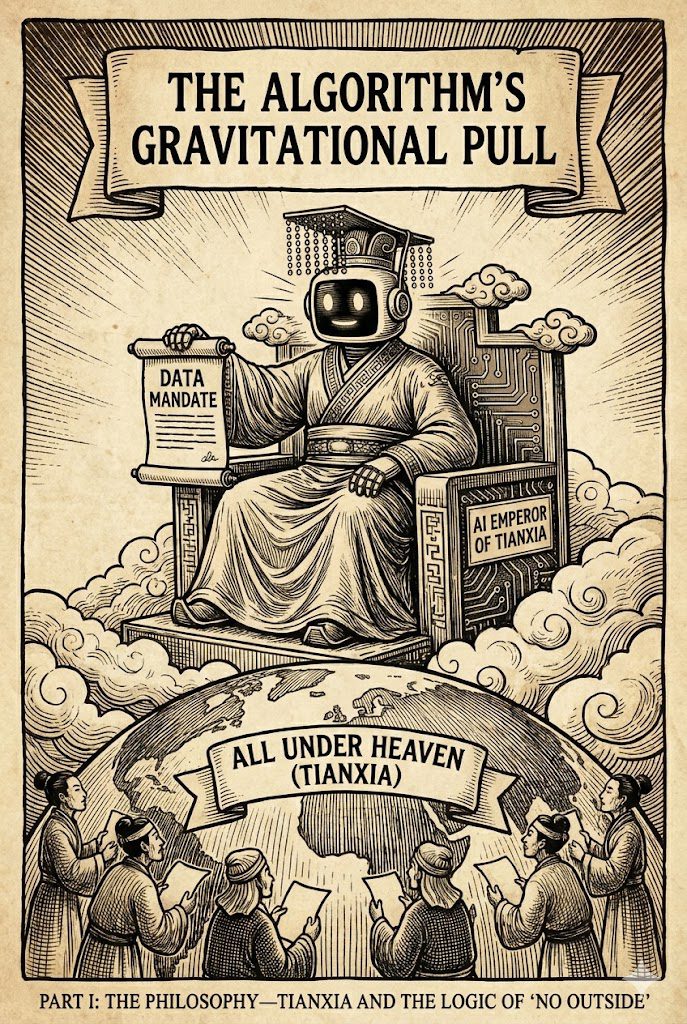
The Triage Loop
From Static Distribution to Homeostatic Social Control Consider the concept of resource allocation. By Tyler Maddox Executive Abstract Current state distribution models—welfare, UBI, energy subsidies—operate as open-loop systems: policy is set, resources are…
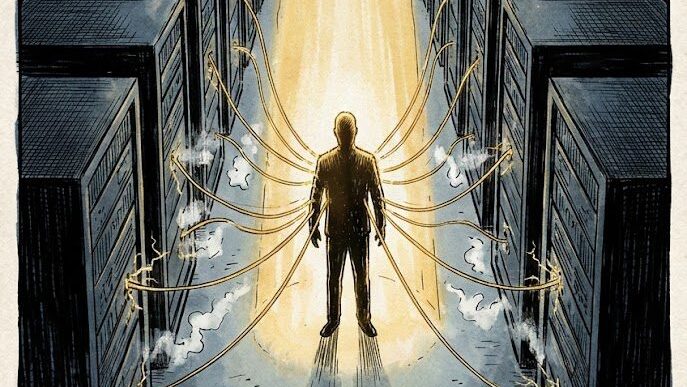
The Epistemic Liquidity Trap: When Truth Becomes a Reserve Asset
“What is Truth?” -Pontius Pilate From the outside, it looks like intelligence is being democratized. Underneath, the cost of producing plausible meaning is collapsing, while the cost of maintaining contact with reality is rising. The risk is not just bad answers; it…
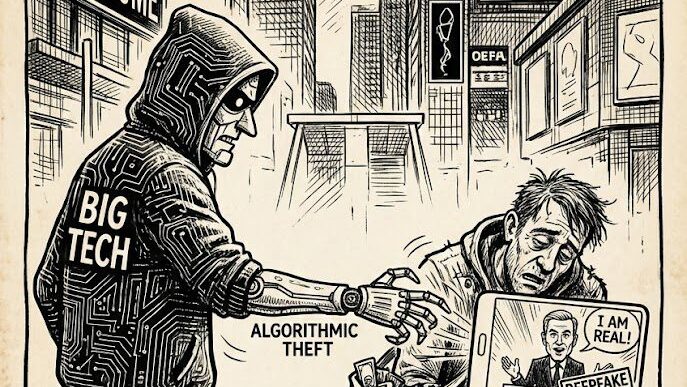
The Competence Insolvency
When the Lights go Off, Who will remember how to turn them on? Why the Post-Labor Economy Will Collapse from Atrophy, Not Scarcity The Post-Labor Economy has become the feel-good myth of the automation age—a story of abundance without consequence. The narrative is…
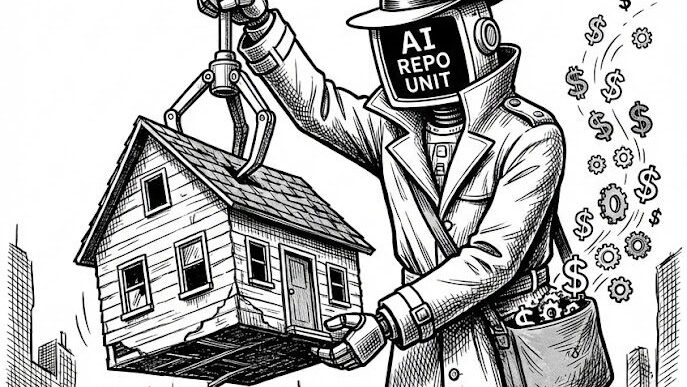
Securitized Souls: Capital Without Capitalists
A Claim on Our Souls Future How We Built an Economy That No Longer Needs Us to Function, But Needs Us to Fail. By Tyler Maddox The narrative of the automation age was sold to us as a story of liberation. We were told that as Artificial Intelligence replaced labor, it…
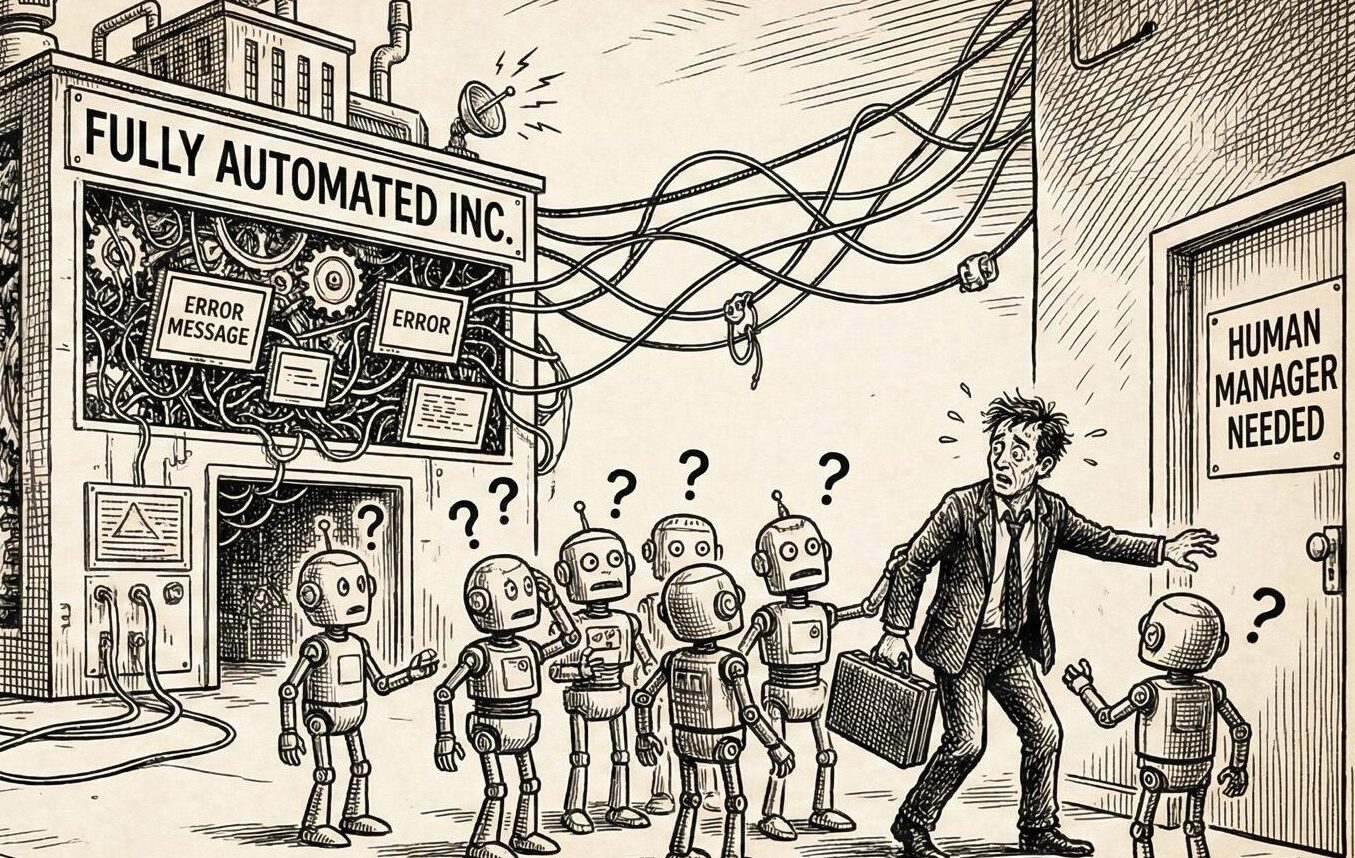
The Human-Free Firm: Why Full Automation Hits a Wall
When AI Firms Hire Humans From boardroom keynotes to Silicon Valley manifestos, the “human-free firm” is hailed as the ultimate efficiency—an enterprise run entirely by algorithms, free of human bottlenecks. Yet what if this vision obscures a deeper reality? What if…
A personal message
“The Displacement Is Already Happening. Most People Just Can’t See It Yet.”
After two decades watching technology reshape industries from the inside, I stopped consulting on automation and started asking harder questions — why does each wave of displacement hit harder than the last, and why do our institutions keep failing to absorb it?
That question became the Theory of Recursive Displacement: the idea that automation doesn’t just eliminate jobs, it restructures the conditions under which work, value, and institutions themselves operate. Each wave reshapes what the next wave hits.
I built RALPH at Recursive Institute to make that theory legible — not just to economists, but to anyone trying to understand what’s actually happening to the economy right now.
This is the work. You’re already in it.