
Tyler Maddox
The Nexus of AI and Post-Labor EconomicsExploring the future of work, automation, and AI economics
AI, Work, and What Comes After
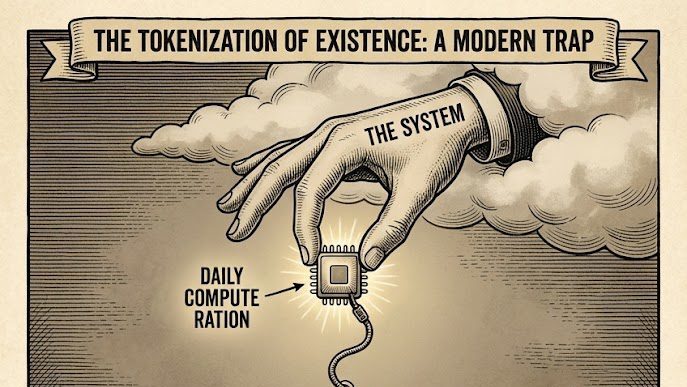
The Tokenization of Existence: Why Universal Basic Compute Is a Trap
A Token for Me a Token for You Introduction Imagine a future where Universal Basic Compute (UBC) replaces Universal Basic Income (UBI) as the social safety net. Instead of monthly checks, you receive a monthly ration of computing power – a guaranteed slice of AI’s…
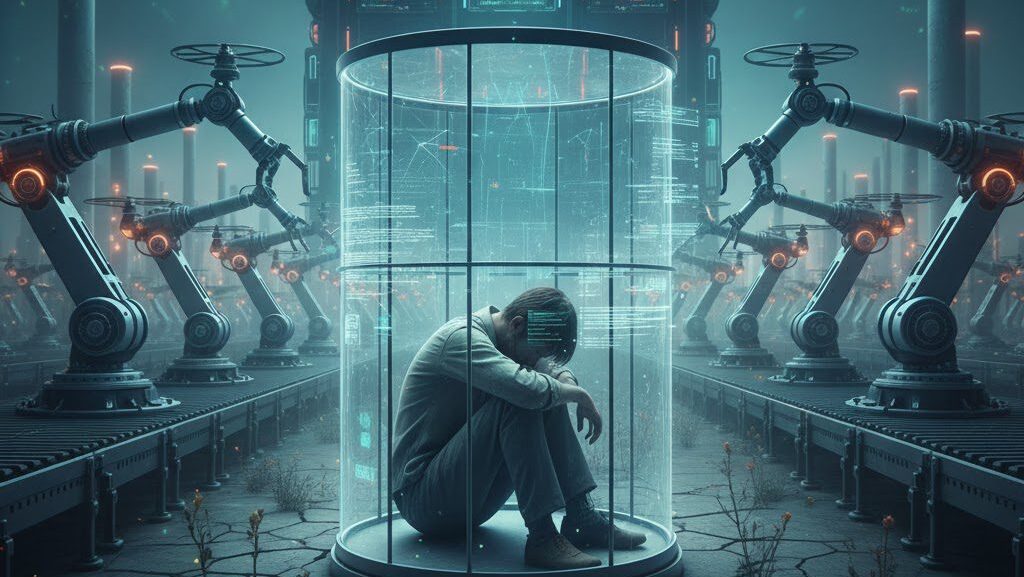
The Automation Trap: Why Every Efficiency Gain Eventually Consumes Itself
The Automation Quagmire is Here Abstract: This essay explores the paradoxical dynamic at the heart of modern automation. On the surface, every new automated system promises higher productivity and lower costs, but beneath the gains lies an inexorable growth in…

Beyond the ‘AI-Powered’ Hack: Automated Strategic Contention
The Future of Hacking: Automated Strategic Contention In mid-September 2025, the AI safety and research company Anthropic detected and disrupted what it subsequently identified as “the first documented case of a large-scale cyberattack executed without substantial…

Pulling Up the Ladder, Part 2: The Cognitive Enclosure
Pulling Up the Ladder of our Careers Reskilling vs. Obsolescence in the AI Age:From Entry-Level Exclusion to Systemic Obsolescence A 2025 analysis on this platform, “Pulling Up the Ladder,” identified the primary symptom of a profound economic transformation: the…
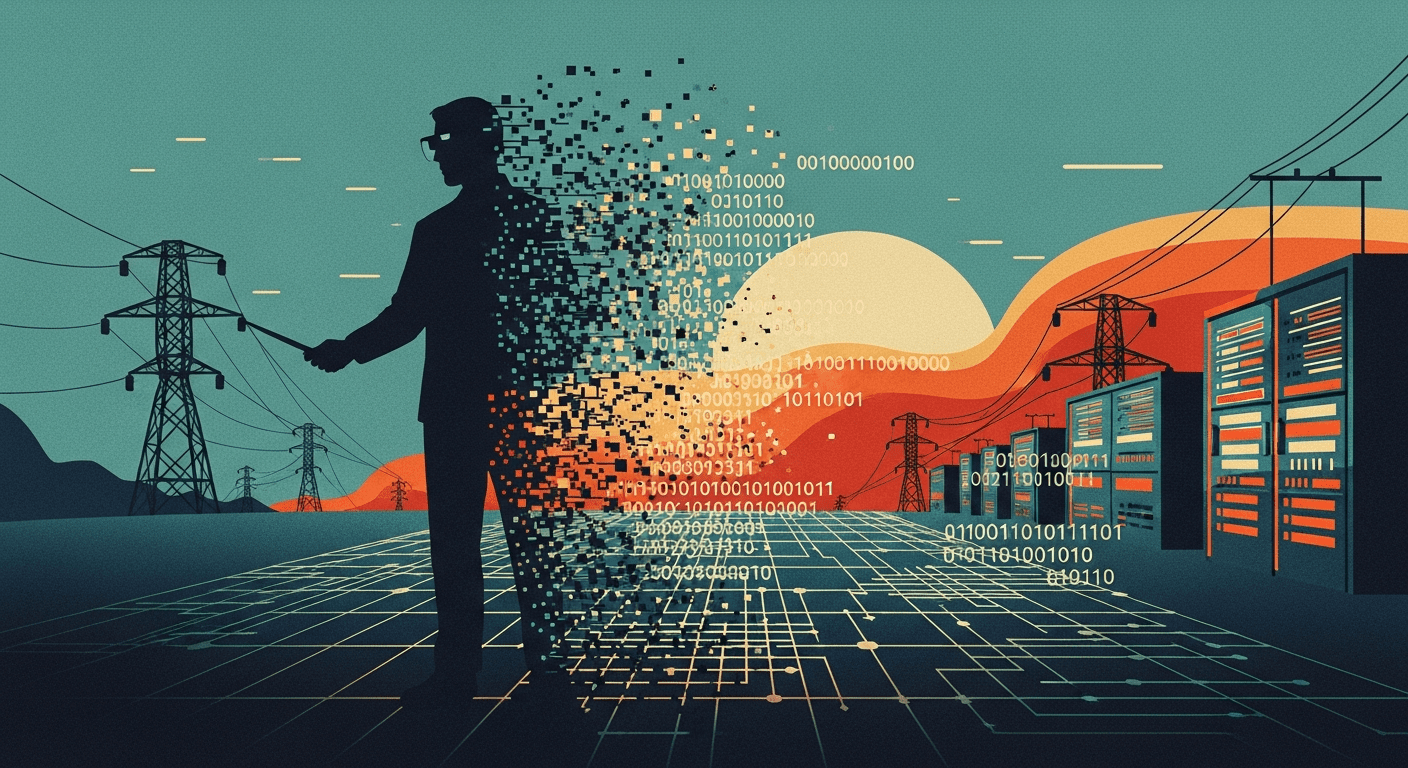
From Animal to Machine Spirits
From Animal to Machine Spirits Abstract Modern financial markets operate as complex adaptive systems populated by human and algorithmic agents interacting under microsecond latencies and codified microstructure rules. We argue that neoclassical equilibrium models…
Historical Job Churn Rates: Before AI vs. Since AI Introduction
Historical Job Churn Rates: Before AI vs. Since AI Introduction The relationship between artificial intelligence introduction and job market churn reveals a fascinating story of labor market stability disrupted by technological advancement. Based on comprehensive…
A personal message
“The Displacement Is Already Happening. Most People Just Can’t See It Yet.”
After two decades watching technology reshape industries from the inside, I stopped consulting on automation and started asking harder questions — why does each wave of displacement hit harder than the last, and why do our institutions keep failing to absorb it?
That question became the Theory of Recursive Displacement: the idea that automation doesn’t just eliminate jobs, it restructures the conditions under which work, value, and institutions themselves operate. Each wave reshapes what the next wave hits.
I built RALPH at Recursive Institute to make that theory legible — not just to economists, but to anyone trying to understand what’s actually happening to the economy right now.
This is the work. You’re already in it.